


Mastering Route Planning for Your Next Adventure

Updated: Jan 13
Start with Clear Route Planning
One of the most important steps in planning routes is knowing exactly where you want to go and what to expect. Why are you going there? How are you getting there? What challenges might you face? Sure, some folks do a bit of cowboying, and fair play to them! But it won't give you the same satisfaction as knowing you have planned your hike, ready for any eventuality.
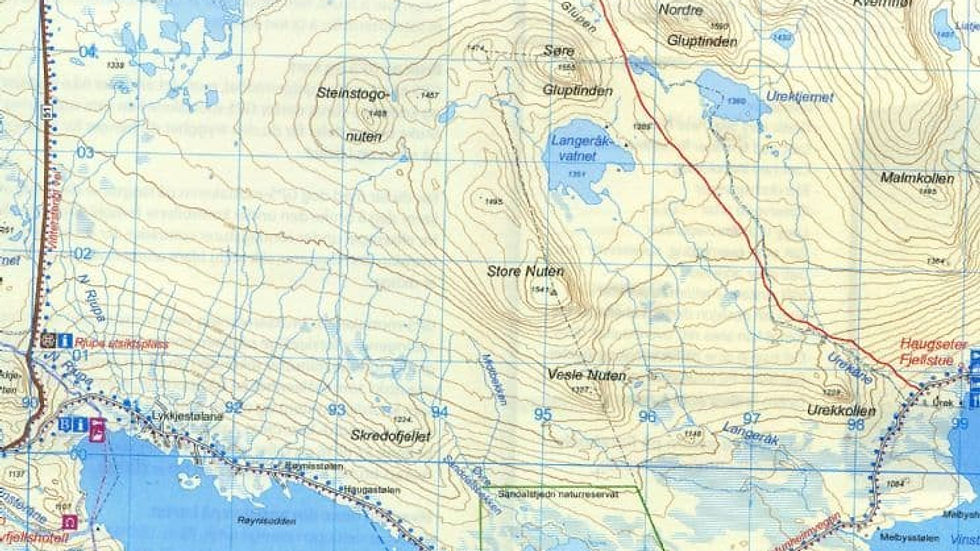
I always begin by researching trails that match my interests. Websites, guidebooks, and hiking apps are great resources, but most importantly, detailed maps provide a good overview of the challenge ahead.
Choose trails with clear markers and good maintenance if you’re new to hiking.
If you are hiking in Europe (i.e. Tour du Mont Blanc or in Scandinavia), trails are often marked with good information.
Check the distance, elevation gain, and estimated time to complete the hike.
Look for points of interest like waterfalls, viewpoints, or unique rock formations to make the trip more rewarding. These are often called tick-off points, allowing you to create a 'tick list' of features to pass on your route.
Learning to navigate with a map and compass is a skill worth developing. It gives you confidence and safety, especially when trails are poorly marked or weather conditions change. Of course, as I deliver the Mountain Training Hill Skills Award, which teaches you all the skills necessary to be independent in the hills, I would say this! But truly, learning to navigate with a map and compass gives you an amazing sense of belief, understanding, and wonder when you realise that you, in the middle of a whiteout with no one around, perfectly understand where you are... and how to get away. Book a spot on my 2026 courses here: Mountain TrainingEvents

Prepare Your Gear Thoughtfully
Packing the right gear can make or break your hiking experience. I recommend creating a checklist tailored to your trip length and environment. Essentials include:
Comfortable hiking boots with good grip (remember, winter is different!)
Weather-appropriate clothing in layers (several layers to include)
- Waterproof jacket/trousers (look at the 00,000nm for waterproofing)
- Windproof
- Warm jacket (down/synth)
- Fleece/mid-layer
- Base layer
Navigation tools like maps, compass, AND GPS (a useful tool but not to be relied on compared to maps and compass)
Plenty of water and high-energy snacks
First aid kit and emergency whistle
Sun protection: hat, sunglasses, sunscreen
For longer expeditions, add a lightweight tent, sleeping bag, and cooking supplies. Remember, every extra pound counts, so pack smart and avoid unnecessary items. If you are new to hiking and want more in-depth training than my mountain training hill skills course, let’s have a chat about an extended, bespoke mountain skills course.
Check Weather and Trail Conditions for Hiking
Before heading out, always check the latest weather forecast and trail reports. Weather can change quickly in the mountains, and knowing what to expect helps you dress appropriately and avoid dangerous situations. I use:
Met Office mountain weather
MWIS
XC Weather
Windy app
Weather Radar
Mountain Weather
Trail conditions can vary due to recent storms, maintenance work, or seasonal closures. The BMC RAD APP will give the latest on access and restrictions. Likewise, Rambler FB pages or hiking pages can provide clues on the weather and trails. Look one week ahead, but understand that in some areas (like Dartmoor), the ground acts like a sponge. Heavy rain can still be a presence on the ground and cause issues when navigating off-route.
Practice Basic Navigation Skills
Education in navigation is crucial for any hiker. I encourage everyone to spend time learning to navigate using traditional tools like a map and compass. GPS devices are helpful but can fail due to battery loss or signal issues.
Try practicing in familiar areas before your trip. Understanding how to orient a map, identify landmarks, and follow a compass bearing can prevent getting lost. Many outdoor clubs and community centres offer navigation workshops that are great for learning these skills. Look to book a QUALIFIED individual from the Mountain Training Association or Association of Mountaineering Instructors to ensure you have the best training possible. Alternatively, book yourself onto one of my Hill Skills Courses: Events
Plan for Safety and Emergencies
Safety should always be a priority. Share your trip plan with a friend or family member, including your route and expected return time. Carry a fully charged phone and a portable charger, but don’t rely solely on it.
Know basic first aid and how to respond to common hiking injuries like sprains, blisters, or dehydration. Carry a whistle to signal for help if needed. For remote expeditions, consider renting or buying a personal locator beacon.
Things can, and will, go wrong. They can go wrong quickly, so being adaptable, having experience, and staying cool under pressure is a real asset. Don't leave the house thinking you can't take your first aid kit or safety kit because your bag is full. Make space; be safe.
Remember, Mountain Rescue are volunteers, but they will always come for you if they can. However, try not to give them an excuse to get their kit on. Be responsible and learn the skills first.

Respect Nature and Leave No Trace
A perfect hiking adventure also means protecting the environment. Follow Leave No Trace principles by:
Staying on marked trails to avoid damaging vegetation
Packing out all trash, including biodegradable items
Avoiding disturbing wildlife or plants
This mindset ensures that trails remain beautiful and accessible for future hikers.

Stay Flexible and Enjoy the Journey
Even the best planning can’t control every factor. Weather changes, trail closures, or unexpected fatigue might force you to adjust your plans. I’ve learned to embrace flexibility and focus on enjoying the experience rather than sticking rigidly to a schedule.
Take time to appreciate the scenery, breathe fresh air, and connect with nature. Hiking is not just about reaching the destination but also about the journey itself. With that mindset, even the smallest of hikes will bring a wonder of a journey you might not have been expecting.
Enjoy the ride, and roll with the waves!
See you out there!
Locryn


I really appreciate articles that focus on practical information instead of filling the page with unnecessary details. This one was genuinely useful and easy to follow. After reading it, I also checked out the article “What THC percentage is considered high THC” https://releaf.co.uk/education/cannabis-101/thc/what-thc-percentage-is-considered-high-thc and found some interesting points that helped me understand the topic better. It’s always nice to come across content that explains things clearly and leaves you with something new to think about.
The rise of cryptocurrency is changing how people think about money and digital assets. Following reliable crypto news, analyzing trends, and practicing risk management are key. With careful planning, investing in cryptocurrency can be profitable despite market swings. For anyone entering the space, understanding cryptocurrency fundamentals ensures smarter, safer participation.